

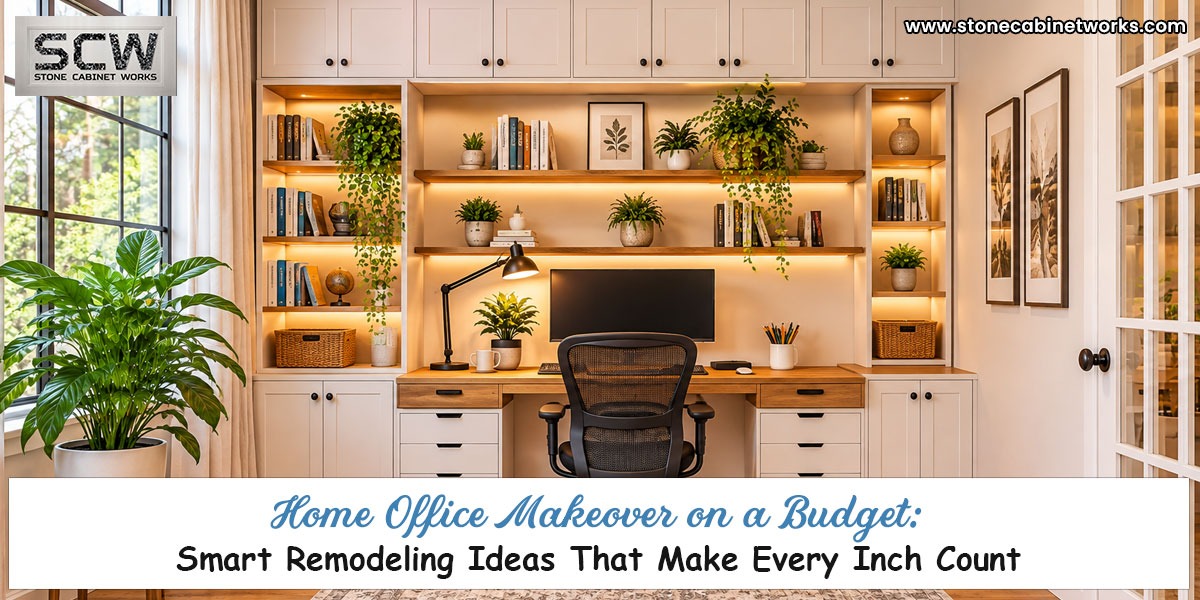
Working from home has changed how many homeowners use their living spaces. A spare bedroom may now serve as a full-time office, a quiet corner may have become a workstation, or a dining area may need to accommodate both family activities and professional tasks.
However, creating a comfortable home office does not necessarily require a complete renovation or expensive furniture. With thoughtful planning, the right storage solutions, and a few well-chosen upgrades, you can turn an underused area into a functional workspace without stretching your budget.
For homeowners exploring Office Remodeling Services in Illinois, the key is to focus on improvements that solve everyday problems. Better storage, an efficient layout, appropriate lighting, and durable finishes can make a noticeable difference without requiring a complete redesign.
Here are practical ideas to help you plan a home office makeover on a budget.
1. Start With the Space You Already Have
Before purchasing furniture or planning construction, evaluate the space available for your home office. You may not need an additional room. A spare bedroom, finished basement, unused alcove, or even a section of a larger living area can become a productive workspace.
Start by considering how you use the area throughout the day.
- Do you need a dedicated room for video meetings?
- Will you be storing files, office supplies, or equipment?
- Do you need space for multiple monitors?
- Will other family members use the room?
- Do you need additional privacy or sound control?
Your answers will help determine which improvements deserve priority.
For example, a homeowner who primarily works on a laptop may need only a compact desk, comfortable chair, and a few storage options. Someone who manages multiple screens, documents, and equipment may benefit from a larger work surface and built-in cabinetry.
Planning around your actual work routine helps prevent unnecessary purchases.
2. Invest in Storage Before Buying More Furniture
One of the most common home office problems is clutter. Papers, chargers, stationery, equipment, and miscellaneous household items can quickly take over a workspace.
Instead of buying additional cabinets or shelves without a plan, identify what needs to be stored and where it should go.
Consider these budget-friendly storage improvements:
- Wall-mounted shelves: Use vertical space for books, folders, decorative items, and supplies. This keeps frequently used surfaces clear.
- Drawer organizers: Small dividers can make existing desk drawers more useful without requiring new furniture.
- Closed storage cabinets: Cabinets are useful for keeping documents, office supplies, and equipment out of sight. They also create a cleaner appearance.
- Storage baskets: These work well for cables, notebooks, and smaller items that do not need dedicated drawers.
- Floating cabinets: Depending on the wall structure and installation requirements, floating storage can free up floor space while providing additional organization.
If your office needs more substantial storage, consider cabinetry that complements the room rather than using mismatched furniture pieces. A coordinated storage arrangement can make even a modest office feel more polished.
3. Choose a Desk and Cabinet Layout That Supports Your Work
A home office should be arranged around movement and accessibility, not just appearance. A desk that is too large can make a small room feel crowded, while insufficient storage can leave work materials scattered across the surface.
Before selecting furniture, measure the available area. Include the desk, chair clearance, cabinet doors, drawers, and walking paths in your calculations.
A few layout ideas can help:
- Position the desk near a window when natural light is available and screen glare can be managed.
- Keep frequently used supplies within easy reach.
- Place printers and larger equipment on a dedicated surface or storage unit.
- Avoid blocking doors, windows, electrical outlets, or heating and cooling vents.
- Allow enough room to move the chair comfortably.
For smaller rooms, a wall-mounted desk or compact workstation may be more practical than a large executive desk. In larger spaces, a combination of desk and built-in storage can create a more organized work environment.
4. Refresh Cabinets and Storage Instead of Replacing Everything
A home office makeover on a budget does not always mean buying everything new. Existing cabinets, shelves, and storage furniture may still be in good condition.
A few updates can help them fit the room’s new purpose.
For example, consider replacing outdated cabinet hardware, refreshing the finish where appropriate, adding adjustable shelves, or installing drawer organizers. If the existing cabinet layout is functional, these smaller improvements may be enough.
If you need additional storage, new cabinetry can provide a more cohesive solution. Choose cabinet sizes and configurations based on the equipment and supplies you actually use.
For homeowners planning more extensive Office Remodeling Services in Illinois, cabinetry can also be incorporated into a broader design plan. Built-in shelves, file storage, and closed cabinets can help make the workspace feel like a natural part of the home.
5. Improve Lighting Without an Expensive Electrical Upgrade
Poor lighting can make a workspace uncomfortable, especially when you spend several hours reading, writing, or working on a computer.
Start by making better use of existing natural light. If possible, position the desk so that daylight reaches the workspace without creating excessive glare on the screen.
Then consider a few affordable lighting upgrades:
- A desk lamp with adjustable brightness.
- An overhead fixture that provides even room illumination.
- Under-shelf lighting for storage or display areas.
- Task lighting for reading and paperwork.
Choose lighting based on the activities performed in the room. A decorative fixture may improve the appearance, but it should not replace the task lighting needed for detailed work.
If electrical changes are necessary, consult a qualified professional rather than attempting unfamiliar wiring work yourself.
6. Give the Walls a Fresh Look
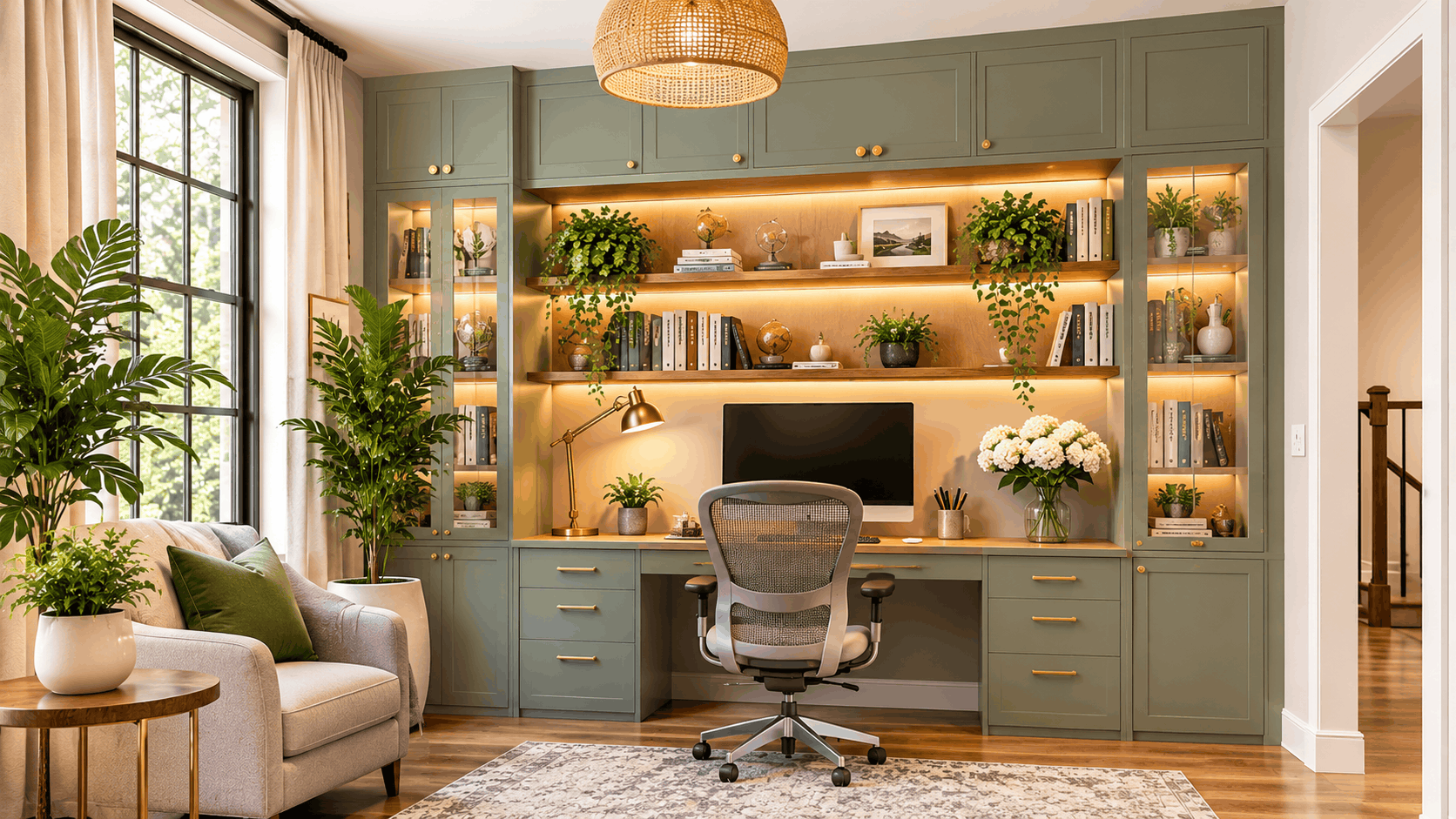
A home office does not need expensive decorative features to look professionally designed. A fresh coat of paint, a simple accent wall, or a coordinated arrangement of wall décor can make the space feel more intentional.
Neutral shades such as warm white, beige, and soft gray can create a clean backdrop. If you prefer more character, consider a muted green, blue, or another color that complements the room’s existing finishes.
You can also use the walls for practical purposes:
- Install a pinboard or magnetic planning board.
- Add floating shelves for books and supplies.
- Create a dedicated area for calendars and project notes.
- Use framed artwork to make the room feel less like a temporary workstation.
Keep the design balanced. Too many decorative items can create visual clutter, particularly in smaller rooms.
7. Make a Small Home Office Feel More Spacious
Limited square footage does not have to prevent you from creating a comfortable workspace. The right design decisions can help a compact room feel more open and organized.
Consider these ideas:
- Use vertical storage: Tall shelving and wall-mounted cabinets can provide storage without occupying additional floor space.
- Choose appropriately sized furniture: A compact desk with sufficient working depth is often more useful than oversized furniture that restricts movement.
- Use lighter finishes strategically: Lighter cabinet colors and wall finishes can help a room feel brighter, particularly when natural light is limited.
- Reduce visible clutter: Closed cabinets and organized drawers can keep supplies accessible without making the room look crowded.
- Keep the layout simple: Avoid adding furniture that does not serve a clear purpose.
- A small office should be designed around essential functions. Every cabinet, shelf, and furniture piece should contribute to comfort or organization.
8. Set a Realistic Budget Before Starting Your Makeover
A budget-friendly renovation begins with knowing where your money will have the greatest impact. Without a spending plan, small purchases can add up quickly, leaving little room for improvements that genuinely matter.
Divide your project into three categories:
| Priority | Possible improvements |
|---|---|
| Essential | Desk, comfortable chair, adequate lighting, basic storage |
| Functional upgrades | Additional cabinets, shelving, drawer organizers, cable management |
| Optional enhancements | Accent wall, decorative lighting, artwork, premium finishes |
Start with essential improvements and add the others as your budget allows.
It is also sensible to reserve part of your budget for unexpected expenses, especially if the project involves electrical work, wall repairs, flooring, or custom cabinetry.
If you are comparing professional remodeling options, request clear details about materials, labor, installation, and any additional costs. Comparing the complete project scope is more useful than comparing estimates based on different specifications.
9. When Should You Consider Professional Office Remodeling?
Some home office improvements are easy to complete independently. Rearranging furniture, adding organizers, painting walls, and installing simple storage accessories may not require a major renovation.
However, professional assistance can be valuable when the project involves more substantial changes.
Consider professional Office Remodeling Services in Illinois if you need:
- Custom or built-in cabinetry.
- A redesigned room layout.
- Additional electrical outlets or lighting.
- Flooring or wall modifications.
- Better use of an unfinished basement or spare room.
- A coordinated design that connects the office with the rest of your home.
A professional can help evaluate the space, recommend suitable materials, and plan improvements around your budget and functional requirements.
It is particularly important to plan cabinetry, electrical features, and furniture placement together. Making these decisions separately can lead to awkward layouts or expensive adjustments later.
Create a Home Office That Works for You With Stone Cabinet Works
A productive home office does not have to be expensive or complicated. The right combination of storage, lighting, furniture, and thoughtful design can transform an underused area into a workspace that supports your everyday routine.
Stone Cabinet Works helps homeowners explore cabinetry and remodeling solutions that improve the appearance and functionality of their spaces. Whether you are considering additional storage, built-in cabinets, or a broader interior update, the right planning can help you make better use of your available space.
If you are planning a home office makeover or exploring office remodeling options in Illinois, consider which improvements will make the biggest difference to your daily work. A well-organized workspace can be a worthwhile investment in both your home and your productivity.